





Corruption-resistant public registries
Tamper-proof records for votes, land, licences, and trade agreements.


Open by design, open in spirit. Build truly decentralized applications with the modular Logos Technology Stack.
The Logos technology stack is a unified ecosystem of distinct modules. The whole stack is modular, allowing developers to assemble their own desired stack from their selection of modules.
Testnet v0.1 launched in March 2026. It is focused on backend validation and module integration.
Install testnet v0.1.2Architecture overview
Logos gives developers a modular, plugin-based runtime for building decentralised, privacy-preserving applications.
Nodes discover and load modules dynamically while preserving privacy at every layer. The network’s architecture lets it evolve over time, providing a foundation for decentralised applications and institutions that remain resistant to capture and corruption – whether they are run by local communities or nation states.
Storage
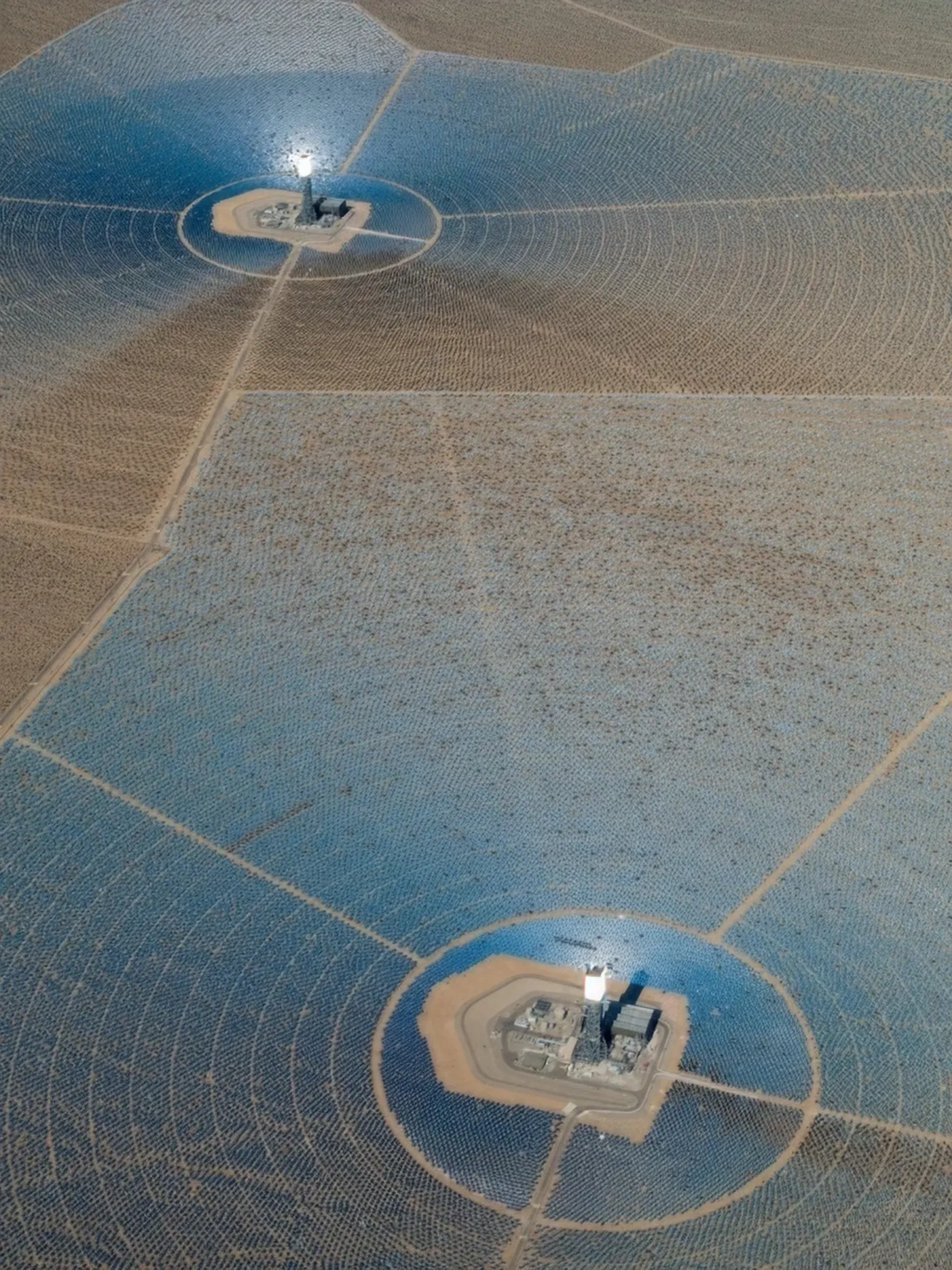
Disclaimer: Abstract representation of the stack.
The local-first launcher for the Logos stack, running all modules on your hardware from a unified interface.
Privacy-preserving file sharing and retrieval using content-addressed (CID-based) data.
Private, censorship-resistant communication between parties.
Privacy-preserving, decentralised compute and consensus.
LOGOS EXECUTION ZONE (LEZ)
PRIVATE PROOF-OF-STAKE CONSENSUS
Anyone can build pluggable modules that can communicate with each other over the same infrastructure.
This layer handles how Logos nodes find each other, establish connections, and communicate while preserving user privacy.
A runtime that handles the essential primitives every application needs: loading modules, managing their lifecycles, and letting them talk directly to each other in a secure way.

We know today’s systems are captured and brittle. We build alternatives to give people a choice. Build on Logos and serve your community.
Tamper-proof records for votes, land, licences, and trade agreements.
Durable, censorship-resistant preservation of knowledge, culture, and history.

Money that moves securely and freely, without borders.

Self-organising groups that define and enforce their own rules, voluntarily and transparently.
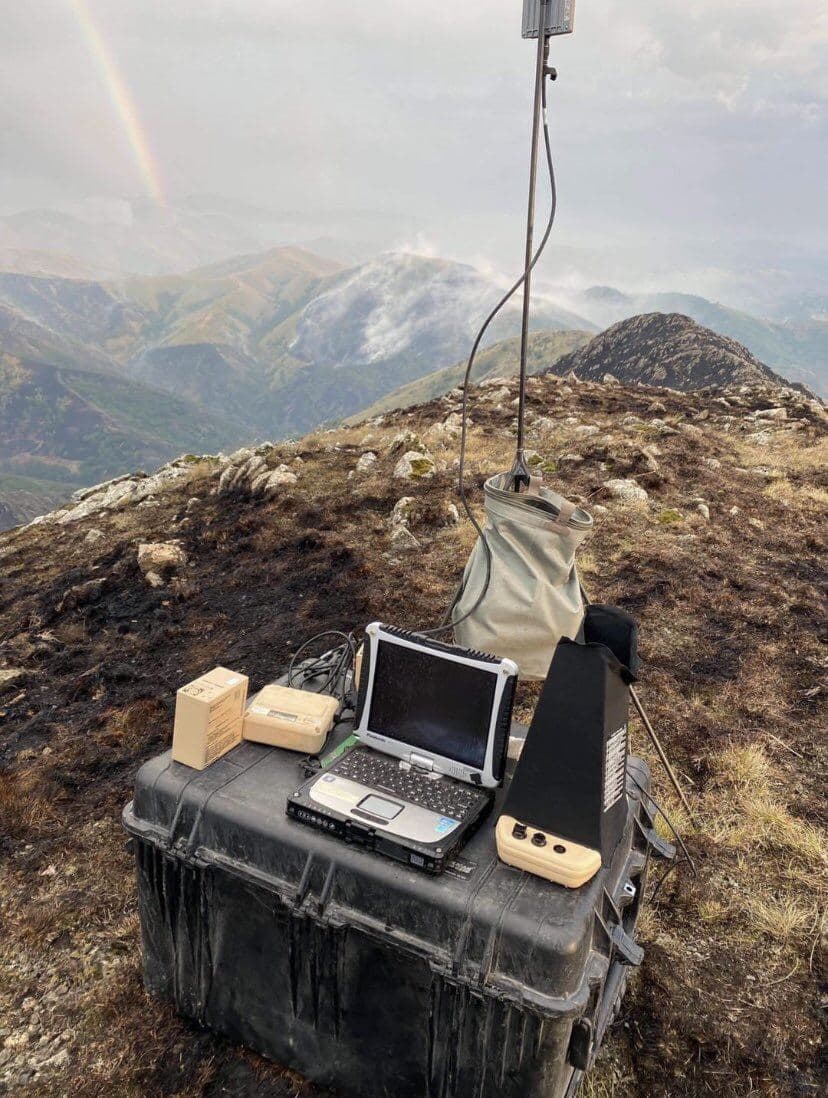
Tamper-proof records for votes, land, licences, and trade agreements.
Durable, censorship-resistant preservation of knowledge, culture, and history.
Money that moves securely and freely, without borders.
Self-organising groups that define and enforce their own rules, voluntarily and transparently.
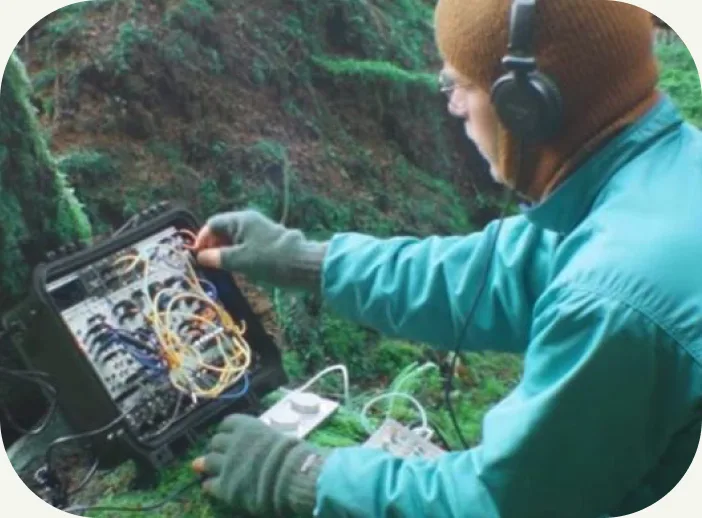
Most blockchains coordinate over centralised services and storage, but the Logos blockchain is just one part of a unified, peer-to-peer stack that preserves privacy at every layer.
Bitcoin proved decentralised value transfer was possible, and Ethereum generalised this principle for arbitrary computation. Logos extends this further, into a technology stack for deploying parallel institutions — governance systems, communication networks, data archives — with privacy at both the network and the transaction level.
Networks such as Zcash might focus on private transactions, but they fall short of the full privacy-preserving platform needed to create sovereign applications.
Logos is a complete, integrated stack that does not stop at just making transactions private – it safeguards communications and storage through peer-to-peer infrastructure that underpin applications far beyond blockchain.
All Logos code is open source under permissive licences. Primary development happens across several GitHub organisations.
Basecamp, module system, protocol modules, LEZ, SDKs, dev tooling
Logos Messaging (formerly Waku) protocol implementations
Logos Storage (formerly Codex) protocol implementations
Logos Blockchain protocol implementations
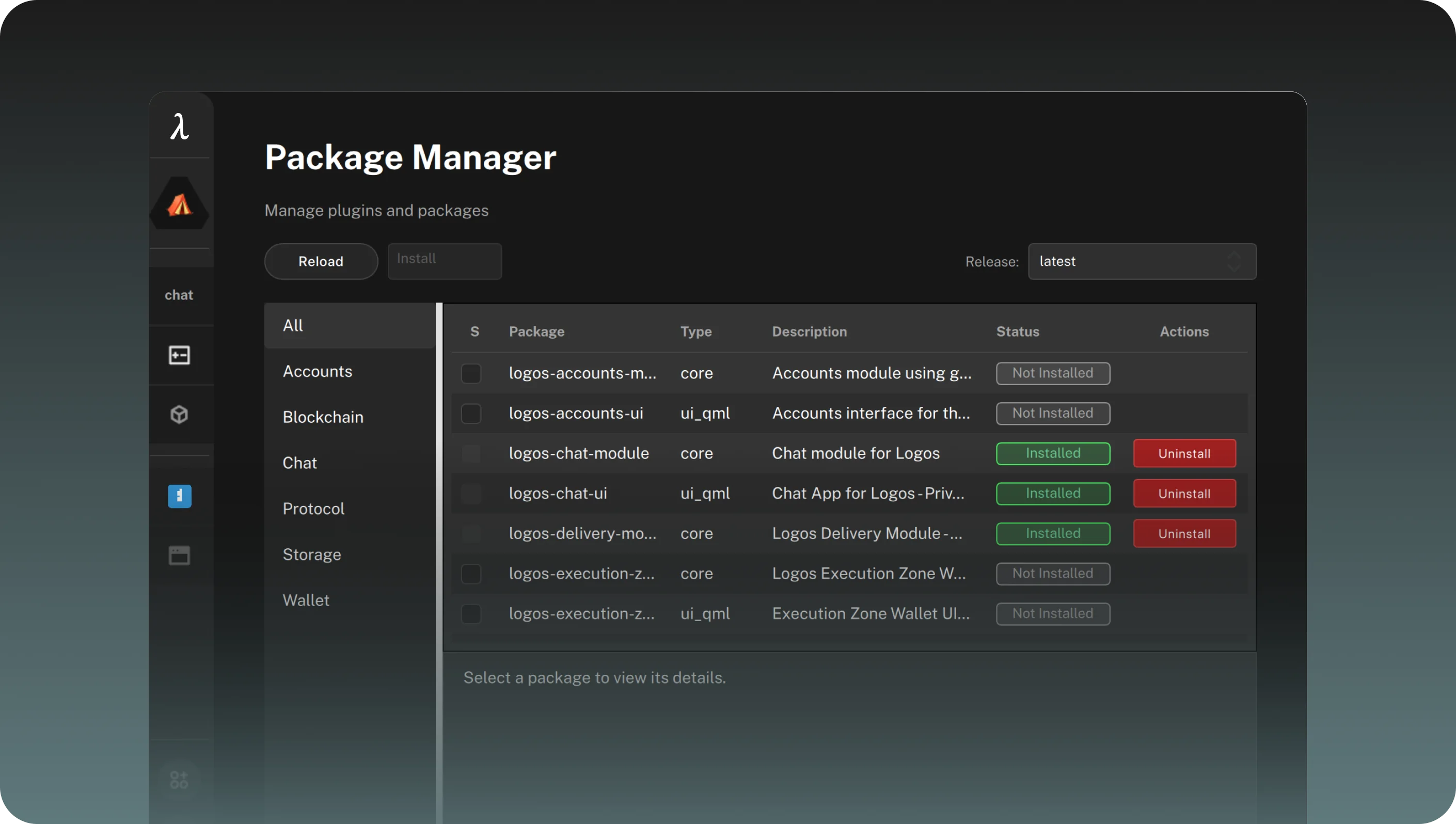
Logos BasecampLogos Basecamp
Basecamp is the launcher and unified surface of the Logos stack. It is an executable that wraps the Logos runtime, initialises the Logos Core environment, and discovers and loads plugins from installed modules.
 Wallet
 Chat Interface
 Filesharing Tool
 Block Explorer